Introduction
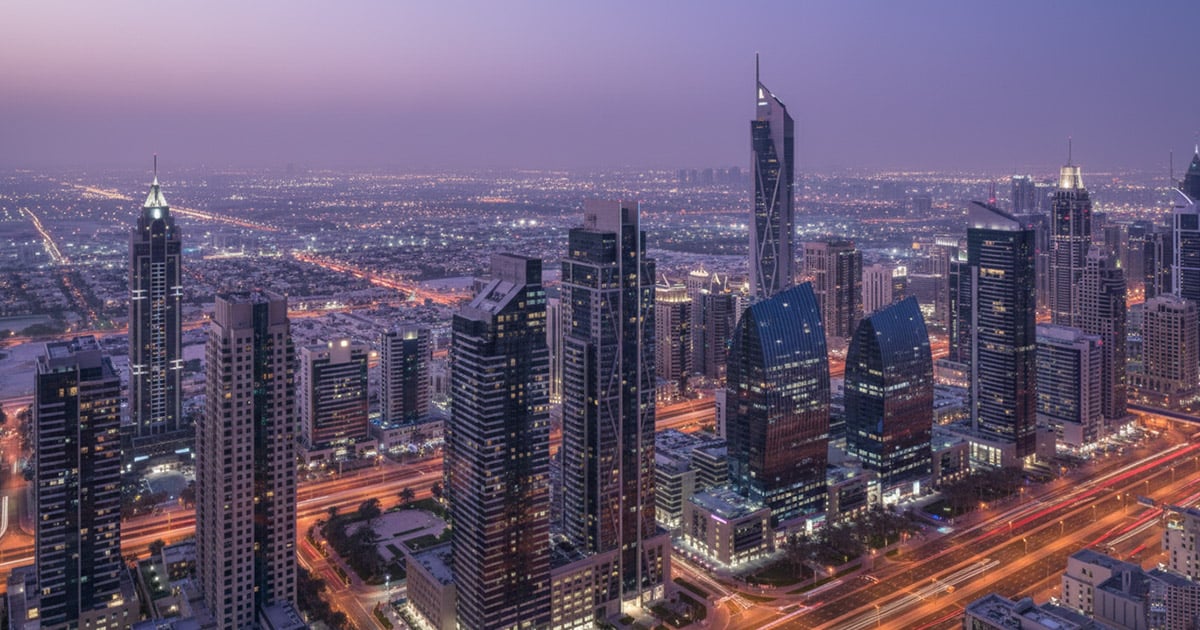
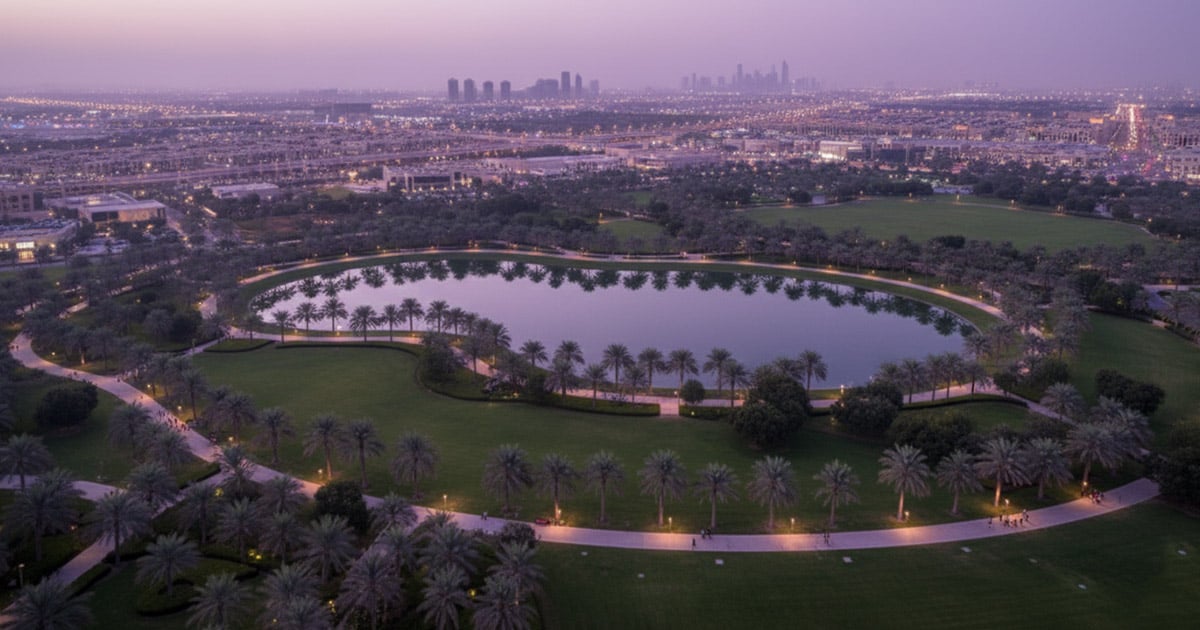
The United Arab Emirates (UAE) is known for its remarkable transformation into a global hub of innovation and modern development. Despite rapid growth, the country has preserved its rich cultural identity. Emirati culture represents a unique blend of tradition, heritage, and progress, deeply rooted in history while embracing the future.
This rich heritage is deeply rooted in values such as hospitality, generosity, respect for elders, and strong family bonds. Influenced by Bedouin heritage, Islamic traditions, and the maritime history of the Gulf, the culture of the UAE reflects a unique balance between tradition and modern development. From traditional clothing and cuisine to social customs like the Majlis, these traditions continue to shape daily life across the UAE.
Festivals and national celebrations are one of the most vibrant expressions of this culture, offering visitors and residents alike an opportunity to experience its traditions firsthand.
These celebrations are not only a testament to the nation’s heritage but also serve as a unifying force, bringing people together in shared celebration and joy. They provide a unique opportunity for both residents and visitors to experience the warmth and hospitality that are hallmarks of Emirati culture. Through this blog, we’ll delve into some of the most significant festivals in the UAE, exploring what makes each event special and how they contribute to the rich cultural mosaic of the country.
Understanding Emirati culture requires exploring its social values, traditional attire, culinary heritage, and national celebrations.
Written by cultural researchers and UAE hospitality specialists at estaie, this article explores the rich heritage, traditions, and celebrations that define Emirati culture.

Core Values of Emirati Culture
UAE society is built on strong values that shape daily life. Hospitality, generosity, and respect for elders are central principles in Emirati society. Family plays a vital role, and maintaining close relationships is considered essential for social harmony.
Islam deeply influences social behavior, traditions, and celebrations. The concept of the Majlis, a traditional gathering space, reflects the importance of dialogue, unity, and community decision-making. Visitors and residents alike can experience these practices firsthand in homes, cultural centers, and heritage sites across the country.
Emirati heritage sites, such as Al Ain Oasis, historic forts, and coastal settlements, showcase the nation’s commitment to preserving its cultural identity while embracing modern development. These locations, recognized by both local authorities and international organizations, offer insights into the UAE’s rich history, Bedouin roots, and enduring social customs.
Through these core values and cultural practices, Emirati society continues to thrive, blending tradition with progress and offering a unique perspective on life in the UAE.
The Majlis, a traditional gathering space for dialogue and hospitality, remains a central part of Emirati social life.
Traditional Emirati Clothing
Traditional Emirati clothing reflects modesty, climate adaptation, and cultural pride. Emirati men typically wear the Kandura, a long white robe suited to the desert climate, along with the Ghutra or Shemagh head covering.
Women traditionally wear the Abaya, often paired with a Shayla. While modern fashion is widely embraced in urban areas, traditional attire remains an important symbol of national identity and cultural continuity.
Traditional Emirati architecture, including forts and wind towers, reflects the country’s Bedouin roots and social customs.
Bedouin customs, including storytelling, falconry, and camel herding, continue to influence modern Emirati traditions.
Emirati Hospitality and Cuisine
Hospitality is one of the most recognized aspects of Emirati culture. Guests are welcomed warmly and are often served Arabic coffee (Gahwa) and dates as a sign of respect and generosity.
Traditional cuisine includes dishes such as:
- Machboos – Spiced rice with meat
- Harees – Wheat and meat porridge
- Luqaimat – Sweet dumplings
Meals are often shared among family members, reinforcing strong social bonds and community values.
Major Festivals in the UAE:
| Festival Name | Month / Date | Type | Key Activities |
|---|---|---|---|
| Eid Al-Fitr | Shawwal (Islamic) | Religious | Prayer, family meals, Zakat al-Fitr, gifts |
| Eid Al-Adha | Dhu al-Hijjah | Religious | Qurbani (sacrifice), family gatherings, charity |
| UAE National Day | December 2 | National | Parades, fireworks, cultural shows |
| Dubai Shopping Festival | January / Feb | Cultural | Shopping, concerts, fashion shows |
| Sharjah Light Festival | February | Cultural | Light shows, projections, music |
| Al Dhafra Festival | November | Cultural | Camel races, falconry, Bedouin crafts |
| Liwa Date Festival | August / Sep | Cultural | Date competitions, cultural performances |
Eid Al-Fitr: The Festival of Breaking the Fast
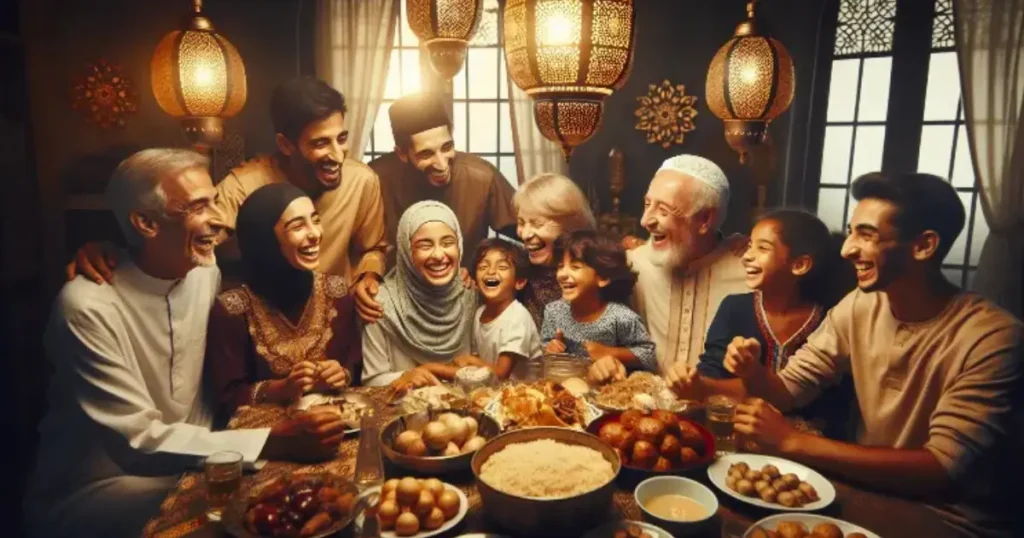
Eid Al-Fitr marks the end of Ramadan, the holy month of fasting for Muslims. It is one of the most significant religious festivals in the UAE and is celebrated with great fervor. The festival begins with the sighting of the new moon, signifying the end of Ramadan and the start of Shawwal, the tenth month in the Islamic calendar.
Traditions and Celebrations
The day begins with a special prayer called Salat al-Eid, performed in congregation at mosques or open prayer grounds. After the prayer, families and friends gather to celebrate. It is a time of joy, gratitude, and giving. People dress in their finest clothes, often new, and share festive meals. Traditional dishes like harees, machboos, and luqaimat are prepared and enjoyed together.
Charity is an essential aspect of Eid Al-Fitr, and Muslims give Zakat al-Fitr, a form of alms, to the needy. The spirit of generosity and community is palpable, with people visiting friends and relatives, exchanging gifts, and offering sweets to neighbors. The festive atmosphere is enhanced by various cultural events, fairs, and activities organized across the UAE.
Eid Al-Adha: The Festival of Sacrifice
Eid Al-Adha, also known as the Festival of Sacrifice, is one of the most important religious celebrations in the UAE, is another major Islamic festival celebrated in the UAE. It commemorates the willingness of Prophet Ibrahim (Abraham) to sacrifice his son as an act of obedience to God. This festival coincides with the Hajj pilgrimage, one of the five pillars of Islam.
Traditions and Celebrations
The celebrations begin with a special prayer, Salat al-Eid, similar to Eid Al-Fitr. The central ritual of Eid Al-Adha is the Qurbani, or sacrificial slaughter of livestock, such as sheep, goats, or cows. The meat is then distributed among family, friends, and the less fortunate, emphasizing the values of charity and compassion.
Families across the UAE come together to prepare and share festive meals. Traditional dishes such as ouzi (spiced lamb and rice), kebabs, and biryani are enjoyed. The festival is marked by communal prayers, social gatherings, and acts of charity. Like Eid Al-Fitr, Eid Al-Adha is a time for wearing new clothes and celebrating with loved ones.
UAE National Day: Celebrating Unity and Heritage
UAE National Day, celebrated on December 2nd, marks the unification of the seven emirates and the founding of the UAE in 1971. This day is a significant national holiday and a time for patriotic celebrations and reflections on the country’s remarkable journey.
How It Is Celebrated Across the UAE
National Day is celebrated with grand parades, fireworks, cultural performances, and various events across the country. The streets and buildings are adorned with the national flag, and the colors of the UAE, red, green, white, and black can be seen everywhere. The festivities showcase the nation’s heritage through traditional music, dance, and art.
A key highlight of the National Day celebrations is the military parade, featuring displays of military prowess and national pride. Citizens and residents come together to celebrate the nation’s achievements and express their love and loyalty to the UAE. It is a time of unity, pride, and joyous celebration.
UAE Celebrations
The UAE celebrates a rich mix of national, cultural, and religious events that blend heritage with modern identity. Key occasions include UAE National Day (2 December) with parades and fireworks, Flag Day (3 November), Eid Al-Fitr and Eid Al-Adha with prayers and feasts, and Ramadan with fasting and community iftars. Cultural festivals like Al Dhafra showcase Bedouin traditions, while modern events such as the Dubai Shopping Festival and New Year’s Eve fireworks at Burj Khalifa attract global attention. Together, these celebrations reflect the nation’s pride, hospitality, and vibrant traditions.
Dubai Shopping Festival: A Shopper’s Paradise in the UAE
The Dubai Shopping Festival (DSF) is an annual extravaganza that transforms Dubai into a shopper’s paradise. Launched in 1996, DSF has become one of the world’s most significant shopping events, attracting visitors from around the globe.
Traditions and Celebrations
DSF typically runs for a month, offering incredible discounts, promotions, and prizes at malls and retail outlets across Dubai. The festival features an array of entertainment options, including live concerts, fashion shows, cultural performances, and fireworks displays.
In addition to shopping, visitors can enjoy various activities, such as food festivals, street performances, and family-friendly events. DSF is a celebration of consumerism, culture, and entertainment, making it a must-visit for anyone looking to experience the vibrant atmosphere of Dubai.
Dubai Food Festival: A Culinary Extravaganza
The Dubai Food Festival (DFF) is a culinary extravaganza that celebrates Dubai’s diverse and vibrant food scene. Held annually, DFF offers food enthusiasts a chance to indulge in a wide range of culinary experiences.
Cultural Highlights and Festive Activities
DFF features events such as food tastings, cooking demonstrations, chef collaborations, and special dining experiences. The festival highlights the city’s best restaurants, food trucks, and street food vendors, offering a platform for both established chefs and emerging culinary talents.
Emirati Celebrations
Emirati celebrations highlight the UAE’s cultural heritage, national pride, and Islamic traditions. Key events include UAE National Day (2 December) and Flag Day (3 November), Eid Al-Fitr and Eid Al-Adha with prayers and family gatherings, and Ramadan with fasting and community iftars. Cultural festivals like Al Dhafra showcase Bedouin traditions, reflecting a unique blend of tradition, faith, and modern identity.
One of the key attractions of DFF is the Beach Canteen, a pop-up dining venue that offers a unique beachfront dining experience. Visitors can enjoy delicious food, live music, and family-friendly activities in a relaxed setting. DFF is a celebration of Dubai’s rich culinary diversity and a testament to its status as a global food destination.
Sharjah Light Festival: Illuminating Culture and Heritage
The Sharjah Light Festival is an annual event that transforms the emirate’s landmarks into a canvas of light and color. This festival celebrates Sharjah’s cultural heritage and modern achievements through stunning light installations and projections.
How It Is Celebrated Across the UAE
The festival features light shows and projections on iconic buildings and landmarks, showcasing themes related to history, culture, and innovation. The displays are accompanied by music and narratives, creating an immersive and enchanting experience.
The Sharjah Light Festival attracts visitors from all over the UAE and beyond, offering a unique way to explore the emirate’s architectural and cultural treasures. It is a celebration of creativity, art, and heritage, making it a highlight of Sharjah’s cultural calendar.
Abu Dhabi Festival: A Celebration of Arts and Culture
The Abu Dhabi Festival is an annual celebration of arts and culture, bringing together renowned artists, musicians, and performers from around the world. Organized by the Abu Dhabi Music and Arts Foundation (ADMAF), the festival aims to promote cultural exchange and artistic expression.
Traditions and Celebrations
The festival features a diverse program of events, including concerts, theater performances, art exhibitions, and workshops. It showcases a wide range of artistic disciplines, from classical music and ballet to contemporary art and digital media.
The Abu Dhabi Festival is a platform for both established and emerging artists, offering audiences a chance to experience world-class performances and cultural events. It is a celebration of creativity and innovation, reflecting Abu Dhabi’s commitment to fostering a vibrant cultural scene.
Al Dhafra Festival: Celebrating Bedouin Traditions
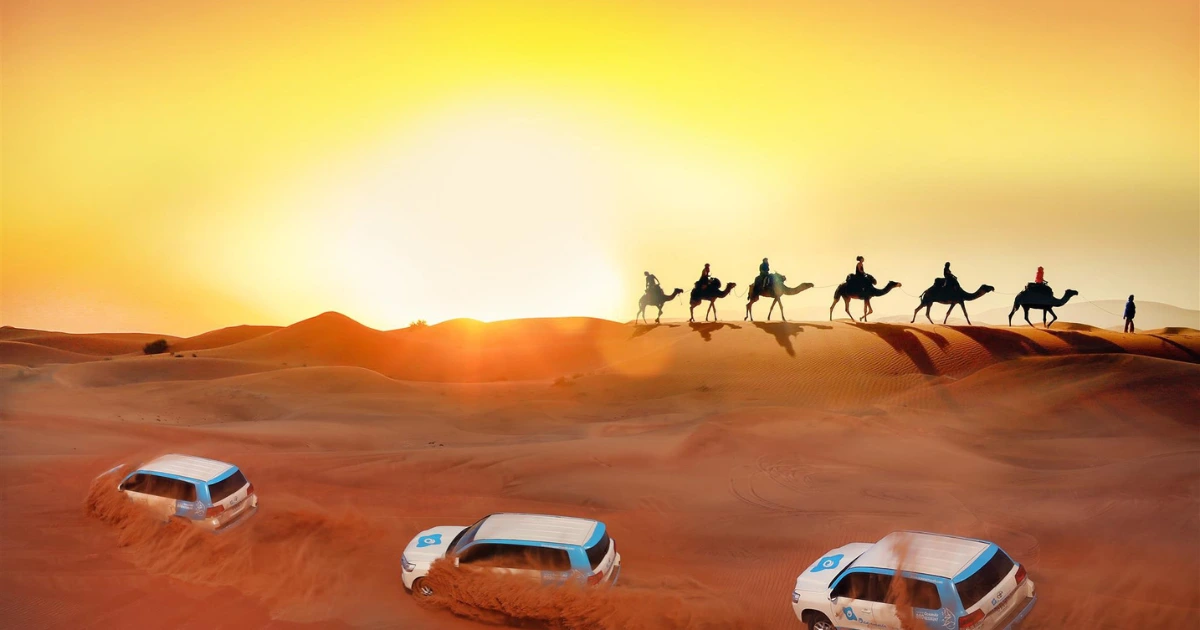
The Al Dhafra Festival is a unique celebration of Bedouin culture and heritage, held annually in the Al Dhafra region of Abu Dhabi. The festival showcases traditional Emirati customs and offers a glimpse into the nomadic lifestyle of the Bedouins.
Traditions and Celebrations
A key highlight of the Al Dhafra Festival is the camel beauty contest, where camels are judged based on their appearance, pedigree, and overall beauty. The festival also features camel races, falconry competitions, and traditional crafts exhibitions.
Visitors can explore the souks (markets), where they can purchase traditional handicrafts, perfumes, and spices. The festival is a celebration of Emirati heritage and provides an opportunity to experience the rich cultural traditions of the Bedouin people.
Liwa Date Festival: Honoring the Date Palm
The Liwa Date Festival is an annual event dedicated to the date palm, an integral part of Emirati culture and agriculture. Held in the Liwa Oasis, the festival celebrates the harvest season and promotes the cultivation of high-quality dates.
Traditions and Celebrations
The festival features competitions for the best dates, showcasing various varieties such as Khalas, Dabbas, and Kheneizi. Farmers from across the UAE participate, presenting their finest produce for judging.
In addition
These hotels cater to both short and extended stays, offering a variety of room types from compact studios to spacious suites, often with fully equipped kitchenettes, living spaces, and modern amenities.
Located in prime areas like Downtown Dubai, Dubai Marina, and Business Bay, stay hotels place guests within easy reach of the city’s major attractions, business hubs, and vibrant dining and shopping scenes.
Many stay hotels go beyond typical hotel offerings, providing services like housekeeping, fitness centers, and in-house dining, along with 24/7 concierge service to meet guest needs around the clock.
With flexible rental options, including weekly and monthly rates, Dubai’s stay hotels offer the comforts of home alongside the perks of a luxury hotel, making them ideal for those looking to explore the city or settle in comfortably for an extended period.
Emirati festivals are a vibrant and integral part of the Emirati Culture landscape. They offer a unique opportunity to experience the rich traditions, customs, and community spirit of the Emirati people. From religious celebrations like Eid Al-Fitr and Eid Al-Adha to cultural events like the Sharjah Light Festival and the Al Dhafra Festival, these festivals provide a glimpse into the heart and soul of the UAE.
FAQs
What is Emirati culture known for?
Emirati culture is known for its rich traditions, hospitality, strong family values, and a unique blend of modernity with Bedouin and Islamic heritage. Visitors can experience this culture through festivals, traditional cuisine, and social customs.
What are the core values of Emirates?
Key values include generosity, respect for elders, family bonds, community spirit, and adherence to Islamic principles. The Majlis, a traditional gathering space, reflects the importance of dialogue and social unity in Emirati society.
What festivals are celebrated in the UAE?
The UAE celebrates a mix of religious, national, and cultural festivals, including Eid Al-Fitr, Eid Al-Adha, UAE National Day, the Dubai Shopping Festival, Dubai Food Festival, Sharjah Light Festival, Abu Dhabi Festival, Al Dhafra Festival, and the Liwa Date Festival.
What is traditional Emirati food?
Traditional Emirati cuisine includes dishes like Machboos (spiced rice with meat), Harees (wheat and meat porridge), Luqaimat (sweet dumplings), and Ouzi (spiced lamb and rice). Meals are often shared among family and guests as a sign of hospitality.
How do Emiratis celebrate National Day?
UAE National Day is celebrated on December 2nd with grand parades, fireworks, cultural performances, and patriotic displays. Streets and buildings are decorated in the colors of the UAE flag, and communities come together to honor the nation’s heritage and unity.
Where can I experience Emirati festivals as a visitor?
Visitors can attend festivals across the UAE, from Dubai and Abu Dhabi to Sharjah and Liwa, with many events accessible through short term or long stay accommodations offered by estaie, ensuring a comfortable and immersive cultural experience.
For visitors attending these festivals, estaie offers short and long term stays across prime UAE locations, with modern amenities and flexible rates